
cropper
update
AI Growth Journal
update
  • Home
  • Categories
    • AI & Growth Strategies
    • AI Autonomy & Freedom
    • AI Tools & Reviews
    • AI Across Industries
    • The AI Brief
    • AI Ethics & Society
    • AI Learning Hub
    • AI in Daily Life
November 18.2026
3 Minutes Read

AI-Assisted Cheating Forces South Korean Exams to Adapt—Will It Work?

South Korea Tightens Exam Checks After AI Cheating Confession

Exam Integrity Under Threat: The Rise of AI-Assisted Cheating

As technology evolves, so too does the ingenuity behind cheating strategies, particularly in competitive academic settings. A recent alarming surge in artificial intelligence (AI) enabled cheating has prompted South Korean authorities to tighten scrutiny ahead of the critical university entrance examination. On November 19, this pivotal exam will not only assess students’ readiness for higher education but also whether current examination protocols can cope with new, tech-savvy methods of dishonesty.

AI in Glasses: The New Frontier of Cheating

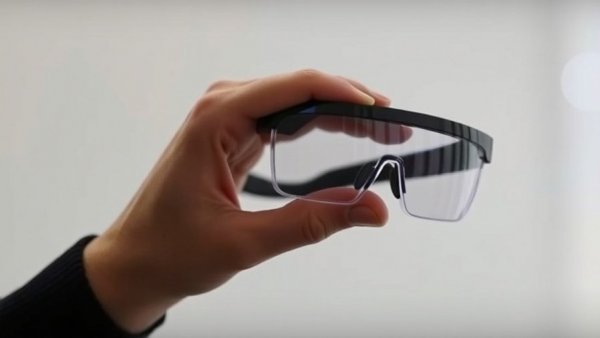
Authorities are now grappling with the implications of AI-assisted devices that can pass as everyday accessories. With reports of students using smart glasses to photograph questions and receive instant answers from generative AI systems, the traditional methods of detecting cheating are becoming obsolete. The most notable incident involved Han Won-seok, a top scorer from South Korea's national tax accountant examination, who openly confessed to utilizing such technology to cheat. His revelations have ignited a police investigation and reignited conversations about the integrity of examinations.

Squaring the Circle: Balancing AI Integration and Academic Integrity

Facing this juxtaposition of technological advancement and educational integrity, South Korea’s stance seems cautious yet determined. Educational institutions are wrestling with the dual need to harness AI for enhancing learning experiences while also shielding academic standards. This plight is not isolated to South Korea—global trends show a similar struggle. As educators adapt to AI’s growing role in learning environments, they simultaneously confront challenges in assessing student performance.

Immediate Threats: The Evolving Cheating Landscape

The recent string of cheating incidents at South Korean middle and high schools underlines a significant vulnerability in conventional examination oversight. The ingenious use of AI technology highlights a broader issue—how can educational frameworks keep pace with rapid advancements in technology? As more than 500,000 candidates prepare for the upcoming exam, authorities are employing heightened security measures, including disabling public Wi-Fi connections near testing sites. Still, questions loom: Can these measures effectively neutralize the sophistication of AI-assisted cheating?

Long-Term Perspectives: AI’s Role in Future Learning

Interestingly, while concerns about AI in the classroom heighten, experts argue that rather than viewing AI merely as a cheat tool, it could be repurposed as an educational asset. For example, platforms like NotebookLM provide avenues for deeper learning, helping students grasp complex concepts that traditional methods might not adequately explain. As educators face the complexity of utilizing AI for learning, it sparks a pertinent question: how do we prevent the superficial use of AI tools—like quick homework fixes—from undermining academic rigor?

Calls for Action: Ensuring Examination Integrity

With the November exam date rapidly approaching, some lawmakers have suggested postponing the examination to institute stronger anti-cheating measures—an option that Education Minister Choi Kyo-jin firmly rejected, citing potential disruption to students' preparations. The crisis calls for immediate and innovative solutions to not only preserve examination integrity but also educate students on the ethical implications of AI use.

Moreover, as both schools and businesses navigate the increasing integration of AI into daily operations, the role of technology in both spheres will likely coalesce, creating opportunities for educational programs aimed at empowering students with the knowledge to use AI responsibly. Encouraging responsible use of AI technology prepares students for a future dominated by these tools without abandoning the foundational principles of learning.

In the end, the stakes are high as South Korea and other countries grapple with the challenge of harnessing AI’s potential while ensuring that academic integrity remains intact in an age of rapid technological change. Now more than ever, a thoughtful approach to education is essential to navigate this balancing act.
The AI Brief

0 Views

0 Comments

Write A Comment

*
*
Please complete the captcha to submit your comment.
Related Posts All Posts

Apple's Groundbreaking Health AI Study: Find Out if Your iPhone Qualifies!

Update Apple's Innovative Leap into Health AIOn November 15, 2026, Apple took a significant step in blending technology with healthcare by launching the Apple Health AI Usage Study. This initiative aims to enroll up to 200,000 U.S. adults over 21 years old, with a keen focus on understanding how these individuals interact with and trust AI-generated health information. This approach comes at a time when technological advancements in AI are rapidly evolving, and understanding user perceptions has never been more critical.Who Can Participate in the Study?Not all iPhones will be eligible for this groundbreaking health study. Participants need to own an Apple Intelligence-compatible device running iOS 26 or later. Models such as the iPhone 15 Pro and Pro Max, as well as the latest iPhone 18 Pro and Pro Max, meet the specifications. The somewhat surprising exclusion of the standard iPhone 15 and 15 Plus, despite their capability to support iOS 26, highlights Apple’s stringent requirements for ensuring optimum functionality in this study. Limiting eligibility to these models may reflect Apple’s commitment to providing the most accurate and reliable data processing possible.The Role of OpenEvidence TechnologyThe study leverages OpenEvidence technology, which is designed to enhance users' interactions by answering critical health-related questions. Participants can inquire about symptoms, medical conditions, and general health concerns, receiving scientifically backed responses that include citations from esteemed medical publications like The New England Journal of Medicine. This reliance on reputable sources may significantly elevate the users' confidence in the information they receive.Privacy ConsiderationsApple has put a strong emphasis on privacy throughout this study, stating that participants maintain control over their HealthKit data and survey responses. This is particularly pertinent in today's climate, where data privacy is increasingly prioritized. Apple has implemented measures to anonymize data, ensuring that identifying details do not reach OpenEvidence. Any exchanged question-and-response data is set to be deleted within 24 hours, promising a level of confidentiality that may reassure potential participants.What’s Next for Health AI?The effects of this study could have far-reaching implications. As Apple collects and analyzes user interactions, we may gain insights that shape the future of AI in healthcare. This research holds the potential not only to enhance AI-generated health responses but also to influence broader AI applications across various industries. As entrepreneurs and professionals explore how AI can be integrated into their workflows, especially tailored AI tools for healthcare could soon become essential components in their business strategies.AI Tools and Tips for EntrepreneursFor busy entrepreneurs and professionals looking to leverage AI, this is the perfect moment to familiarize themselves with the latest AI tools and techniques that can streamline operations. You can gain insights into how to craft better prompts and refine AI responses for more impactful decision-making. Tools like this emerging health app will serve not only to bolster health management but can also provide learning points for other AI-based applications in the corporate environment.Concluding ThoughtsApple's Health AI Study represents much more than an evaluation of technology; it stands at the crossroads of healthcare and artificial intelligence, promising improvements in both fields. As participation unfolds, the blended insights gleaned from this initiative will inevitably spark broader discussions on privacy, trust, and the role of AI in human health.Are you interested in utilizing AI to revolutionize your work processes? Sign up for our free course at The Neuron Academy to learn how to effectively communicate with AI tools. In just six minutes, you can enhance your AI interactions and discover innovative approaches tailored to small business needs. Leverage these insights today to maximize your professional growth!

Discover the Future of Productivity with Samsung and Google AI Glasses

Update Revolutionizing Access: The Future of AI-Powered Eyewear Your next pair of glasses could change how you interact with the world around you. Samsung and Google have teamed up to launch their AI-powered Intelligent Eyewear, now available for preorder at a starting price of $395. This innovative product blends cutting-edge technology with everyday functionality, allowing wearers to engage with their surroundings in entirely new ways. What This Means for Modern Professionals As busy entrepreneurs, professionals, and creators, integrating AI into daily tasks can enhance productivity significantly. The Intelligent Eyewear isn’t just a stylish accessory; it’s a potential game-changer. Using Google’s Gemini assistant, the glasses bring numerous features right to your sightline, allowing hands-free access to information. Imagine walking into a meeting and getting instant context or answers to questions without pulling out your phone. This is the magic of smart glasses. The Specs that Matter: Features of AI Eyewear The glasses offer a range of impressive technical specifications. Equipped with a 12-megapixel camera, four microphones, and open-ear speakers, the smart eyewear ensures seamless interaction with the Gemini assistant. With a Snapdragon AR1 Gen 1 processor and up to nine hours of battery life, these glasses provide productivity and convenience without the weight—averaging only 41 grams. Compatibility Concerns: A Key Buying Decision However, technological prowess alone isn’t enough to guarantee a hassle-free experience. Both Warby Parker and Gentle Monster’s sunglasses share similar smartphone compatibility requirements. Prospective buyers must ensure their devices meet these specifications to fully utilize the intelligent features. Supported smartphones include: Samsung Galaxy: Galaxy S and Z models from One UI 9.0 or later. Google Pixel: Pixel 7 series and newer with Android 17 and the September 2026 update. Apple iPhone: iPhones with at least 6GB of RAM and iOS 26.6 or later. Interestingly, compatibility doesn’t guarantee access to every feature. For instance, the AI’s Guided Vision service is only available for Android devices at the time of launch, which may limit its utility for iPhone users. This could alter buying decisions for those who specifically want visual assistance features. Enhancing Everyday Experience through AI Considering how to use AI tools effectively is crucial for busy professionals. Features such as visual assistance help identify unfamiliar objects, translate languages on the go, and provide navigation prompts, making the glasses not only practical but potentially vital in various scenarios. With the rapid evolution of AI technologies, understanding how these developments intersect with daily tasks can provide a competitive edge in today’s fast-paced environment. Will AI Glasses Become the New Normal for Professionals? As AI tools and resources proliferate, the question arises: will AI-powered glasses become a staple in professional settings? The integration of intelligent assistance into eyewear reflects a broader trend towards hands-free interactions. As AI continues to evolve, these smart glasses may redefine the standard for productivity, blending traditional utility with technological innovation. Privacy and Ethical Considerations As with any device equipped with cameras and microphones, privacy and ethical concerns are significant. Samsung has outlined precautionary measures for users, such as indicator lights that activate during recording, with assurances that image data is handled with user privacy in mind. Nevertheless, users must be vigilant about how they utilize such technology in social contexts, contributing to the ongoing discourse about AI ethics and its integration into daily life. Why Now is the Best Time to Invest in AI Innovations In the rapidly changing landscape of AI, staying informed and embracing new tools can provide lucrative opportunities for business growth. As more people adopt smart glasses, early adopters could see significant benefits by leveraging these innovations before they become commonplace. Understanding AI trends and tips can help entrepreneurs utilize these tools effectively, setting them apart from their competition. In conclusion, as Samsung and Google launch their AI-powered Intelligent Eyewear, the decision to invest in such technology should take into account compatibility, features, and the potential it holds for enhancing everyday tasks. Now is the time for professionals to integrate AI into their workflows, as these innovations could redefine productivity in the evolving business landscape.

Starlink Mini 2's $999 Price: Impact on Entrepreneurs and Remote Work

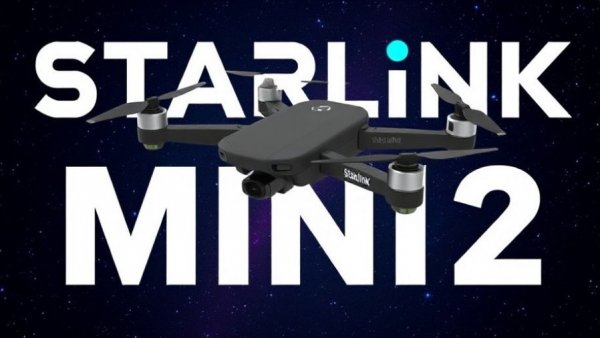
Update Starlink Mini 2: The Future of Portable Satellite Internet SpaceX is at it again with its latest innovation, the Starlink Mini 2. Launched on November 10, this sleek device redefines portability for satellite internet, allowing busy entrepreneurs, professionals, and creators to stay connected even in remote locations. The standout feature is its removable battery, which provides up to 4.5 hours of connectivity away from traditional power sources. But with a preorder price of $999, it comes with considerations that potential buyers should be aware of. What’s New in the Mini 2? The Mini 2 is more than just a revamped version of its predecessor. It combines a satellite dish, Wi-Fi router, and a rechargeable battery into one compact device weighing approximately 3.53 pounds. The removable 71Wh battery is the game changer here, allowing users to swap it out without needing a power station. Yet, the question remains: can users maintain an uninterrupted internet connection while swapping batteries? SpaceX hasn't clarified this, which could be crucial for those relying on consistent connectivity for video calls, live streaming, or urgent work. Examining the Cost: Is It Worth It? The $999 price tag includes 12 months of Roam Unlimited service but raises eyebrows regarding its true value. The initial payment breakdown consists of a $100 refundable deposit and an $899 balance upon shipment, expected by mid-December 2026. SpaceX claims the service alone is worth $2,100, suggesting a substantial savings. However, for those using satellite internet only for occasional outings, the extensive service may be excessive and prompt a reconsideration of more affordable options. Addressing Concerns: Connectivity Issues With the portable nature of the Mini 2, there are valid concerns about battery lifespan and functionality. While users are excited about having a device that can operate in remote areas, maintaining internet service during battery swaps is uncertain. For critical business operations or creators live-streaming events, interruptions could mean lost opportunities or disrupted professional communications. Potential Impact on Entrepreneurs and Professionals For those trying to balance work and life on the go, the Starlink Mini 2 could be a game-changing tool. Imagine being able to work from a cabin in the woods or during a hiking trip without searching for an outlet. However, its high cost and battery limitations may deter some users. Is the convenience worth the price, or will it lead to further expenses down the line with additional batteries or service upgrades? A Look Ahead: The Future of Satellite Internet As we usher in 2025, the trends in satellite internet technology like Starlink Mini 2 prompt discussions about broader implications for remote work and connectivity. How will innovations affect small businesses? The ability to work from anywhere without worrying about power sources could reshape how professionals operate, enhancing opportunities across various sectors. For busy entrepreneurs, the right tools can significantly enhance productivity and quality of life. Final Thoughts: Take Action to Stay Ahead If you're frequently on the move or running a business that relies on stable internet connectivity, it's worth considering how the Starlink Mini 2 fits into your operational strategy. Make an informed decision by weighing its benefits against its costs, and stay updated on the latest trends in technology and AI that could further optimize your ventures.

cropper
update
WorldPulse News
cropper
update

Write a small description of your business and the core features and benefits of your products.

  • update
  • update
  • update
  • update
  • update
  • update
  • update

COMPANY

  • Privacy Policy
  • Terms of Use
  • Advertise
  • Contact Us
  • Menu 5
  • Menu 6

+13218727566

AVAILABLE FROM 8AM - 5PM

City, State

501 N. Orlando Ave. Ste 313, PMB 183 , Winter Parkk, FL

ABOUT US

Write a small description of your business and the core features and benefits of your products.

© 2026 CompanyName All Rights Reserved. Address . Contact Us . Terms of Service . Privacy Policy

Terms of Service

Privacy Policy

Core Modal Title

Sorry, no results found

You Might Find These Articles Interesting

T
Please Check Your Email
We Will Be Following Up Shortly
*
*
*