


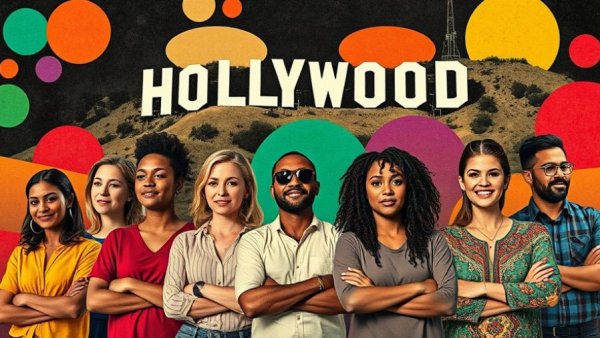
AI Microdramas: A New Frontier for Black Stories in Hollywood
The rise of AI technology has ignited a fusion of creativity and controversy in the entertainment industry, as exemplified by Mansa’s latest offering, They Left Us to Die, a 30-episode microdrama situated in a dystopian South Los Angeles grappling with a zombie virus. This innovative venture raises questions about the role of AI in storytelling, especially as it aims to amplify underrepresented Black narratives.
Understanding the AI Equation in Storytelling
Entrepreneurs and business owners must see the value in the approach Mansa has adopted. Rather than completely replacing human talent, AI is utilized as a tool to gauge audience preferences and highlight the significance of Black stories, which too often go untold. As actor Nate Parker puts it, Mansa’s strategy is about “holding the line on our very existence” in an industry that has long neglected authentic Black narratives.
Engagement is Key: How AI is Changing Consumption
The emergence of microdramas such as Mansa’s symbolizes a shift in viewer engagement, resulting from dwindling attention spans in today’s fast-paced environment. Microdramas, with their concise storytelling format, cater to a new generation that prefers quick, engaging content. As noted in Omdia’s analysis, users are reportedly spending about 36 minutes on platforms like ReelShort, significantly more than on traditional services like Netflix. This trend underscores the urgency for entrepreneurs to adopt new methods of storytelling, whether through microdramas or other AI-driven content.
Emotional Backlash: The Risks of AI in Film
Despite the innovation that AI presents, the introduction of They Left Us to Die has not been without backlash. Critics argue that an entirely AI-generated show challenges the efforts to uplift Black talent, leading to concerns over potential job losses for artists in an industry already rife with insecurity. Such sentiments highlight a vital conversation around the ethics of AI in creative spaces, forcing entrepreneurs to reconcile technological advancements with the human touch essential for storytelling.
The Balance of AI and Human Talent
The dialogue surrounding Mansa’s microdrama raises crucial considerations for business owners: how to implement AI without erasing the contribution of human talent. For small business owners, understanding the balance between leveraging AI tools—and maintaining authentic storytelling inspired by real experiences—is pivotal. This nuanced approach could prove beneficial in various business sectors, encouraging sustainable practices while honoring the voices that matter.
Practical Insights: Steps for Entrepreneurs to Embrace AI
As we navigate this landscape, it’s essential for businesses to explore AI automation for entrepreneurs and the best AI apps for business owners that facilitate creative content production. Entrepreneurs could consider interactive storytelling tools that enhance audience engagement while still prioritizing human artistry. Additionally, exploring AI business ideas for 2025 may lead to innovative methods of collaborating with technology to promote a diverse range of narratives.
Future Predictions: The Path Ahead for Stories of Color
As microdramas like They Left Us to Die pave the way for new forms of storytelling, it’s vital to predict the trajectory of AI in Hollywood. If studios can harness the lessons from Mansa and prioritize inclusivity in narratives, the future could signal a renaissance for underrepresented voices. This approach not only benefits artists but also aligns with shifting demands among audiences eager for new and diverse content.
Mansa’s venture into AI-driven microdramas serves as a clarion call for entrepreneurs and business owners alike. As AI continues to evolve, understanding its implications in creative industries can open new doors for storytelling while ensuring that humanity remains at the forefront. Are you prepared to seize this opportunity to innovate?





Write A Comment