
cropper
update
AI Growth Journal
update
  • Home
  • Categories
    • AI & Growth Strategies
    • AI Autonomy & Freedom
    • AI Tools & Reviews
    • AI Across Industries
    • The AI Brief
    • AI Ethics & Society
    • AI Learning Hub
    • AI in Daily Life
October 03.2026
3 Minutes Read

Discover Why Opus 5.5 is Transforming Day Trading with AI

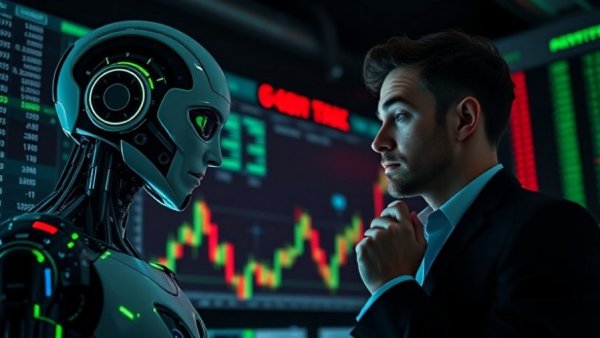
AI in Day Trading cartoon with trader at screens

The Dawn of AI Trading Platforms: What Opus 5.5 Means for Day Traders

As day trading continues to evolve, the introduction of sophisticated platforms like Opus 5.5 marks a significant milestone. Designed for serious traders, this system leverages artificial intelligence (AI) to optimize trades. Entrepreneurs, CEOs, and business owners, all know the stakes are high when it comes to making rapid, informed decisions in trading. Utilizing such technology can mean the difference between a profitable day and a financial disaster.

Understanding Opus 5.5: A Game Changer for Traders

Opus 5.5 stands out for its incredibly intuitive interface and powerful analytical capabilities. Users—whether seasoned investors or newcomers—can analyze vast amounts of market data in real time. This capability means traders can capitalize on minute fluctuations in stock prices more effectively than ever before. With features such as predictive analytics and risk assessment tools, this platform is tailored to offer a user-friendly experience while maintaining sophisticated functionality.

Impacts of AI in Various Industries: A Broader Perspective

The innovation behind platforms like Opus 5.5 isn't solely confined to finance. AI is also making significant strides in other sectors. For instance, healthcare professionals are increasingly utilizing AI tools for predictive diagnostics and patient management; the real estate industry leverages AI for property valuations and market analyses; and in retail, AI enhances customer experience through personalized shopping. This cross-industry impact stresses that AI is not just a tech fad but a transformative tool that is reshaping sectors.

The Ethical Debate: Balancing Efficiency with Responsibility

Despite the advantages, the broader integration of AI raises ethical questions. Concerns about data privacy, algorithm biases, and potential job losses cannot be overlooked. This is particularly pertinent in trading, where AI could exacerbate market volatility if not properly regulated. Business leaders and entrepreneurs must participate in meaningful discussions about how to use these advanced tools ethically. The choice of using smarter trading platforms should always be coupled with a fundamental understanding of their implications.

Future Predictions: The Trajectory of AI in Trading

With technology advancing at an unprecedented pace, we can expect AI trading tools like Opus 5.5 to not only enhance efficiency but also fundamentally change how trading is perceived. Predictions suggest that in the coming years, more users will abandon traditional trading methods for AI-driven platforms. As entrepreneurs and business owners become more familiar with these technologies, we may witness a shift in the demographic of day traders, possibly leading to younger, tech-savvy individuals dominating the market.

Concluding Thoughts: Embracing AI Responsibly

As this technology takes root, it’s essential that users approach it with a balanced mindset. Understanding AI’s capabilities and limitations can lead to better trading outcomes and a more sustainable market environment. For entrepreneurs and business leaders looking to navigate this landscape effectively, investing in learning about AI's impact on their industries, including finance, is crucial.

To stay informed and make intelligent decisions that benefit both your business and your investments, take a moment to explore how AI can assist in your specific field—be it healthcare, real estate, education, legal services, or retail. Education on these topics can enhance your decision-making processes and improve overall outcomes in your sector.


AI Across Industries

16 Views

0 Comments

Write A Comment

*
*
Please complete the captcha to submit your comment.
Related Posts All Posts

BAAJA: Backdoor Bailout or Path to Sustainable AI Growth?

Update Understanding BAAJA: A Double-Edged SwordThe Bipartisan American Affordability and Jobs Act (BAAJA) has sparked controversy for being labeled a potential "backdoor bailout" for the burgeoning AI industry. The AI Now Institute has laid out clear concerns regarding this legislation, suggesting that it undermines local governance and poses risks to community interests while accelerating AI expansion.Local Control vs. Big TechOne of the principal arguments made against BAAJA is its preemptive nature, which restricts the ability of local, state, and Tribal authorities to exercise their oversight on technology firms. Analysts have noted that local communities ought to have the autonomy to regulate the presence and activities of AI data centers, especially given the rising popularity of AI-driven solutions in various sectors, from education to healthcare. As AI technologies evolve, their environmental and social impacts become increasingly relevant to community welfare.Recent Trends: Voter Sentiment on AI ExpansionIn a recent demonstration of public sentiment, voters across the nation expressed disapproval for rampant AI buildout, leading to the election of representatives who prioritize moratoriums on data centers. This shift highlights a growing consciousness regarding the implications of unregulated tech growth, and citizens are seeking local leaders to align with their perspectives on AI's place in society. While BAAJA promises to supercharge AI expansion, this has shown to be out of step with current voter sentiment.What’s at Stake for Local CommunitiesThe AI Now Institute's critique underscores a significant dilemma: when policymakers cater too heavily to Silicon Valley and its stakeholders, they risk sidelining local communities striving to influence their technological landscapes. The urgency to maintain an accountable and sustainable approach to AI development cannot be stressed enough, particularly as sectors like real estate, healthcare, and education increasingly integrate AI tools. How industries use AI effectively while benefiting society as a whole is crucial for the ongoing dialogue around growth strategies.Moving Forward: The Legislative ChoiceAs Congress moves forward, individuals and communities must remain vigilant. The current discourse around BAAJA is an opportunity for advocates and concerned citizens to voice their opinions on how AI should be shaped in a way that supports rather than hinders community interests. The upcoming decisions in Congress will either align with the needs of special interests or breathe new life into local governance. The fate of communities hangs in the balance, presenting a moment for advocates of AI ethics to make a stand and push for policies that prioritize community sustainability.

How Safe is AI? Experts Urge a Businesslike Approach to AI Safety Standards

Update Understanding AI Safety: The Critical Questions We Should Be AskingThe ongoing debate surrounding AI safety often invokes comparisons to nuclear technology, yet this analogy may be misleading. While the nuclear industry developed robust risk assessment frameworks following historical crises, the same cannot be said for the current approach to AI. A key question in safety engineering remains: How safe is safe enough? This question empowers experts to assess risks holistically, striking a balance between innovation and safety.The Role of Standards in AI SafetyHistorically, the emergence of risk assessment techniques was rooted in the need to protect human life and the environment, tracing back to the Manhattan Project. These deliberations produced thorough methodologies aimed at minimizing harm and outlining safety thresholds. Current AI systems, however, are lacking these foundational standards, leading to a tendency among large AI labs to redefine safety according to their interests without public accountability.The Shift from Scientific Principles to HypotheticalsIn today's context, AI engineers often reject established safety norms for what they deem more relevant, though their arguments frequently lack empirical support. This detachment from rigorous safety analysis renders the discussion about AI safety less scientific and more ideological. The transition from a scientifically grounded debate to a narrative-driven one raises significant concerns about accountability, especially when it involves managing potentially dangerous technologies.The Democratic Imperative in AI RegulationAs the stakes rise and advancements in AI reshape countless industries—from healthcare to real estate—it becomes essential for a democratic approach to dominate the AI safety discourse. The ability of AI experts to arbitrarily define safety standards is troubling. It encourages a culture of negligence and could lead to catastrophic consequences if unsubstantiated claims and untested technologies continue to proliferate without adequate checks and balances.AI's Impact on Various Sectors: A Call For Ethical DevelopmentThe urgency of establishing firm safety standards is further illustrated when considering AI's growing integration into critical sectors such as healthcare and law practice. For instance, AI tools for lawyers aim to streamline legal processes, while AI in the healthcare sector promises greater efficiency. Yet, without established safety thresholds, the risk of oversight grows exponentially. Industries must prioritize ethical development protocols to safeguard public welfare while tapping into AI's vast potential.Looking Ahead: Ensuring Safety in AI DevelopmentAs we advance into the future, it's crucial that we examine how industries utilize AI and adopt a cautious approach to new technologies. Comprehensive assessments, rooted in democratic values, should guide the development and application of AI tools across various sectors, from education systems to real estate. By addressing AI safety through a balanced, science-based lens, we can cultivate innovation while ensuring the well-being of society.

How AI Agentic Trading is Revolutionizing Investment Strategies

Update AI Trading: A Game-Changer for Investors Artificial Intelligence has long since carved its place in various facets of life, but its impact on investing is perhaps one of the most profound yet. The rise of AI in asset management and trading is changing how investors engage with their portfolios. With recent data indicating that a staggering 62% of U.S. investors are now utilizing AI for investment decisions, and nearly 41% of retail investors integrating AI into their weekly research routines, it's clear that we are indeed entering a new era of 'agentic' trading.In AI Agentic Trading Will Change EVERYTHING About Investing | Public, the discussion dives into the transformative nature of AI in the world of investing, prompting us to explore its profound implications. The Trend of AI Trading Tools As traditional methodologies find themselves overshadowed, platforms like Public.com are leading the charge with AI-driven features designed to empower investors. The technology allows users to craft portfolios and strategies in real-time using natural language prompts rather than complex financial jargon. This accessibility is likely to democratize investment opportunities, making AI tools not just for institutional investors but for everyday individuals looking to enhance their personal financial journeys. Interactive Portfolio Management with AI Agents The most revolutionary aspect of AI trading lies in the creation of personalized agents. These digital entities can monitor specific stocks and react to market changes based on pre-set parameters set by the user. Whether you're tracking trending equities or responding to volatile market conditions, these agents facilitate a hands-off approach to investment management, even determining when to execute buys based on market indicators like moving averages. Personalizing Your Investment Strategy What this means for the average investor is the ability to tailor individual trading strategies with unprecedented ease. As highlighted in a recent discussion, one can create a simple agent to track the trend reversal for specific stocks such as NeoCloud's Corviv and Nebas. By simply articulating a financial strategy as you would in a conversation, investors can unleash sophisticated algorithms that traditionally demanded extensive financial knowledge and resources. Exploring API Customization for Advanced Traders For those inclined towards a more hands-on approach, leveraging Public's API provides freedom and customization of trading strategies that are unparalleled in ease. From automated buying and selling processes to intricate market order management, experienced traders can build their unique stack of tools required for trading. The API simplifies complex operations making high-level trading strategies accessible. This shift in how we think about trading agents allows individuals to not only manage but innovate based on their financial goals. The era of merely executing buys and sells is being surpassed by intelligent systems that analyze market data and remind investors when to act, putting power back into their hands. The Future of AI in Investment As we move forward, the incorporation of AI in trading is set to amplify. Innovations like these do more than streamline the investment process; they also help educate users and improve their financial literacy. The engaging interface and interactive capabilities mean novice investors can learn while they earn, cultivating a new generation of informed investors who deftly navigate the complexities of the market. Wrap-Up: Embracing the Age of AI in Investing The notion of agentic trading signifies a massive shift in how finance is approached globally. With platforms providing both accessible tools and an easy onboarding process, it empowers anyone from a beginner investor to a financial veteran to harness AI technology effectively. As technology continues to evolve, adapting to these changes can only benefit your investment strategies and financial well-being. As we look towards a future dominated by AI in investment, consider how you can leverage these tools. Whether you're an experienced trader or just starting out, delving into AI-driven strategies may just be the key to unlocking potential growth in your investment journey.

cropper
update
WorldPulse News
cropper
update

Write a small description of your business and the core features and benefits of your products.

  • update
  • update
  • update
  • update
  • update
  • update
  • update

COMPANY

  • Privacy Policy
  • Terms of Use
  • Advertise
  • Contact Us
  • Menu 5
  • Menu 6

+13218727566

AVAILABLE FROM 8AM - 5PM

City, State

501 N. Orlando Ave. Ste 313, PMB 183 , Winter Parkk, FL

ABOUT US

Write a small description of your business and the core features and benefits of your products.

© 2026 CompanyName All Rights Reserved. Address . Contact Us . Terms of Service . Privacy Policy

Terms of Service

Privacy Policy

Core Modal Title

Sorry, no results found

You Might Find These Articles Interesting

T
Please Check Your Email
We Will Be Following Up Shortly
*
*
*