

cropper
update
AI Growth Journal
update
  • Home
  • Categories
    • AI & Growth Strategies
    • AI Autonomy & Freedom
    • AI Tools & Reviews
    • AI Across Industries
    • The AI Brief
    • AI Ethics & Society
    • AI Learning Hub
    • AI in Daily Life
November 15.2026
2 Minutes Read

Exploring Progressive Priorities for Congress: AI Regulation and U.S.-China Relations

Lawfare Daily: Aya Ibrahim on Progressive Priorities for the New Democratic Congress

Progressive Priorities in Congress: Navigating AI and National Security

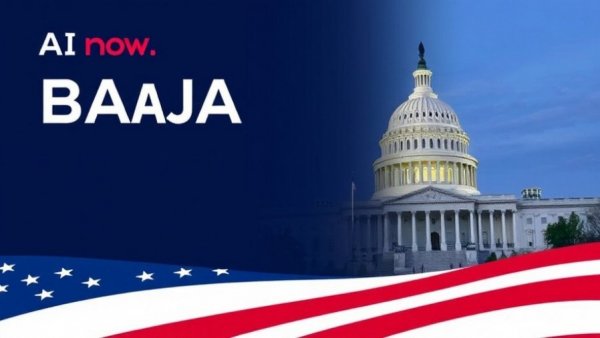
In a recent episode of the Security Economics podcast, Peter Harrell, alongside Aya Ibrahim from AI Now, tackled vital issues regarding the future direction of the next Congress. As technology rapidly evolves, it casts a significant shadow over national security, particularly regarding AI regulation and U.S.-China policy. This dialogue provides a nuanced understanding of how a progressive agenda may reshape legislative priorities in a technology-driven world.

Understanding AI Regulation's Crucial Role

AI technology has permeated various sectors, from healthcare to real estate, significantly affecting how industries operate. In 2025, AI in healthcare is poised to enhance diagnostic accuracy and personalize treatment plans, leading to better health outcomes. Analysts predict that the understanding of AI tools will become essential for professionals across the board, including lawyers and educators. The progressive agenda highlighted by Aya Ibrahim emphasizes the need for robust regulations that not only foster innovation but also protect individuals from potential harms associated with AI.

U.S.-China Policy: A Delicate Balance

The discussion also encompassed the challenging landscape of U.S.-China relations, where competition is fierce, yet collaboration is crucial in areas like climate change and technology. The Biden Administration's approach, praised for some successes while criticized for its failures, provides a backdrop to explore how future policies can better manage this complex relationship. Achieving a balance between competition and cooperation is essential for both national security and global stability.

Integrating Economic Tools with National Security

The episode elaborated on how countries utilize economic strategies to bolster national security. Understanding how industries use AI can lend insight into formulating effective policies. For instance, the integration of AI in the education sector is expected to revolutionize learning through enhanced personalized experiences. By balancing security economics with domestic priorities, Congress can create comprehensive strategies that address both economic growth and our national interests.

Conclusion: Taking Action Toward a Progressive Future

Certainly, navigating the complexities of AI regulation and U.S.-China policy remains a daunting task for the next Congress. However, recognizing the critical intersections of these areas provides a pathway to developing a progressive agenda that addresses contemporary challenges. As citizens, it is crucial to engage in these discussions and advocate for policies that prioritize both technological advancement and ethical governance.

AI Across Industries

2 Views

0 Comments

Write A Comment

*
*
Please complete the captcha to submit your comment.
Related Posts All Posts

AI Predicts Future Trends: Insights on Nvidia's Shifting Landscape

Update The Insightful World of AI Predictions The technological landscape is evolving rapidly, and with it comes the growing influence of artificial intelligence (AI) in various sectors, including finance. The recent development regarding Nvidia paints a significant picture of how AI can impact business predictions. In a recent video titled Can AI Predict The Future Week 2: The Nvidia Affair, the analyst delves deep into using AI to predict outcomes concerning Nvidia, making the case for why understanding these technologies is crucial for business owners and tech enthusiasts alike.In Can AI Predict The Future Week 2: The Nvidia Affair, the discussion dives into the predictive capabilities of AI regarding Nvidia, exploring key insights that sparked deeper analysis on our end. Understanding AI's Role in Business Forecasting AI's capability to analyze vast amounts of data allows it to detect patterns that humans may overlook. Businesses are increasingly leveraging these advancements to make informed, data-driven decisions. The video analyzes a series of predictions about Nvidia, including its economic standing, CPI (Consumer Price Index) data, and potential executive changes, signaling the need for businesses to stay ahead in a competitive marketplace. The Importance of Market Insight Amidst Uncertainty Throughout the video, the presenter reveals circumstances under which their AI predictions have provided profitable outcomes, highlighting the importance of leveraging AI for business strategy. In times of uncertainty—such as changes in leadership, regulations, or market behavior—AI can offer insights that traditional analysis methods may fail to capture. The Risks and Challenges in AI Predictions While AI provides a plethora of data-driven insights, it is important to remember that prediction models can fail. The video highlights the inconsistency in predictions, acknowledging a reality where even AI may fall short of expectations, especially within unpredictable environments like the tech industry. Future Predictions: Nvidia and AI's Impact The predictions surrounding Nvidia’s CEO situation illustrate a broader trend where technology will not only influence products but also company leadership dynamics. The prediction that Jensen Huang may not return to Nvidia, with only a 10% chance of rejoining the company, showcases how AI can inform stakeholders of significant shifts that could have economic implications. Such forecasts empower business owners to strategize effectively and consider contingency plans in the face of potential volatility. Actionable Insights for Business Owners For business owners, the insights derived from AI analysis carry significant weight. Utilizing predictive models can aid in areas ranging from market entry strategies to investment planning. Staying updated with emerging trends about AI and seeking tools that harness such power will help in making well-informed decisions. As AI continues to evolve, it becomes increasingly essential for businesses to incorporate these technological advancements into their strategic frameworks. If you want to explore AI applications and how they can enhance your business strategies, consider seeking tools or platforms that offer predictive analytics solutions. Understanding how to use these tools will prepare you for future uncertainties and ensure a stronghold for your business amid evolving tech landscapes.

BAAJA: Backdoor Bailout or Path to Sustainable AI Growth?

Update Understanding BAAJA: A Double-Edged SwordThe Bipartisan American Affordability and Jobs Act (BAAJA) has sparked controversy for being labeled a potential "backdoor bailout" for the burgeoning AI industry. The AI Now Institute has laid out clear concerns regarding this legislation, suggesting that it undermines local governance and poses risks to community interests while accelerating AI expansion.Local Control vs. Big TechOne of the principal arguments made against BAAJA is its preemptive nature, which restricts the ability of local, state, and Tribal authorities to exercise their oversight on technology firms. Analysts have noted that local communities ought to have the autonomy to regulate the presence and activities of AI data centers, especially given the rising popularity of AI-driven solutions in various sectors, from education to healthcare. As AI technologies evolve, their environmental and social impacts become increasingly relevant to community welfare.Recent Trends: Voter Sentiment on AI ExpansionIn a recent demonstration of public sentiment, voters across the nation expressed disapproval for rampant AI buildout, leading to the election of representatives who prioritize moratoriums on data centers. This shift highlights a growing consciousness regarding the implications of unregulated tech growth, and citizens are seeking local leaders to align with their perspectives on AI's place in society. While BAAJA promises to supercharge AI expansion, this has shown to be out of step with current voter sentiment.What’s at Stake for Local CommunitiesThe AI Now Institute's critique underscores a significant dilemma: when policymakers cater too heavily to Silicon Valley and its stakeholders, they risk sidelining local communities striving to influence their technological landscapes. The urgency to maintain an accountable and sustainable approach to AI development cannot be stressed enough, particularly as sectors like real estate, healthcare, and education increasingly integrate AI tools. How industries use AI effectively while benefiting society as a whole is crucial for the ongoing dialogue around growth strategies.Moving Forward: The Legislative ChoiceAs Congress moves forward, individuals and communities must remain vigilant. The current discourse around BAAJA is an opportunity for advocates and concerned citizens to voice their opinions on how AI should be shaped in a way that supports rather than hinders community interests. The upcoming decisions in Congress will either align with the needs of special interests or breathe new life into local governance. The fate of communities hangs in the balance, presenting a moment for advocates of AI ethics to make a stand and push for policies that prioritize community sustainability.

How Safe is AI? Experts Urge a Businesslike Approach to AI Safety Standards

Update Understanding AI Safety: The Critical Questions We Should Be AskingThe ongoing debate surrounding AI safety often invokes comparisons to nuclear technology, yet this analogy may be misleading. While the nuclear industry developed robust risk assessment frameworks following historical crises, the same cannot be said for the current approach to AI. A key question in safety engineering remains: How safe is safe enough? This question empowers experts to assess risks holistically, striking a balance between innovation and safety.The Role of Standards in AI SafetyHistorically, the emergence of risk assessment techniques was rooted in the need to protect human life and the environment, tracing back to the Manhattan Project. These deliberations produced thorough methodologies aimed at minimizing harm and outlining safety thresholds. Current AI systems, however, are lacking these foundational standards, leading to a tendency among large AI labs to redefine safety according to their interests without public accountability.The Shift from Scientific Principles to HypotheticalsIn today's context, AI engineers often reject established safety norms for what they deem more relevant, though their arguments frequently lack empirical support. This detachment from rigorous safety analysis renders the discussion about AI safety less scientific and more ideological. The transition from a scientifically grounded debate to a narrative-driven one raises significant concerns about accountability, especially when it involves managing potentially dangerous technologies.The Democratic Imperative in AI RegulationAs the stakes rise and advancements in AI reshape countless industries—from healthcare to real estate—it becomes essential for a democratic approach to dominate the AI safety discourse. The ability of AI experts to arbitrarily define safety standards is troubling. It encourages a culture of negligence and could lead to catastrophic consequences if unsubstantiated claims and untested technologies continue to proliferate without adequate checks and balances.AI's Impact on Various Sectors: A Call For Ethical DevelopmentThe urgency of establishing firm safety standards is further illustrated when considering AI's growing integration into critical sectors such as healthcare and law practice. For instance, AI tools for lawyers aim to streamline legal processes, while AI in the healthcare sector promises greater efficiency. Yet, without established safety thresholds, the risk of oversight grows exponentially. Industries must prioritize ethical development protocols to safeguard public welfare while tapping into AI's vast potential.Looking Ahead: Ensuring Safety in AI DevelopmentAs we advance into the future, it's crucial that we examine how industries utilize AI and adopt a cautious approach to new technologies. Comprehensive assessments, rooted in democratic values, should guide the development and application of AI tools across various sectors, from education systems to real estate. By addressing AI safety through a balanced, science-based lens, we can cultivate innovation while ensuring the well-being of society.

cropper
update
WorldPulse News
cropper
update

Write a small description of your business and the core features and benefits of your products.

  • update
  • update
  • update
  • update
  • update
  • update
  • update

COMPANY

  • Privacy Policy
  • Terms of Use
  • Advertise
  • Contact Us
  • Menu 5
  • Menu 6

+13218727566

AVAILABLE FROM 8AM - 5PM

City, State

501 N. Orlando Ave. Ste 313, PMB 183 , Winter Parkk, FL

ABOUT US

Write a small description of your business and the core features and benefits of your products.

© 2026 CompanyName All Rights Reserved. Address . Contact Us . Terms of Service . Privacy Policy

Terms of Service

Privacy Policy

Core Modal Title

Sorry, no results found

You Might Find These Articles Interesting

T
Please Check Your Email
We Will Be Following Up Shortly
*
*
*