


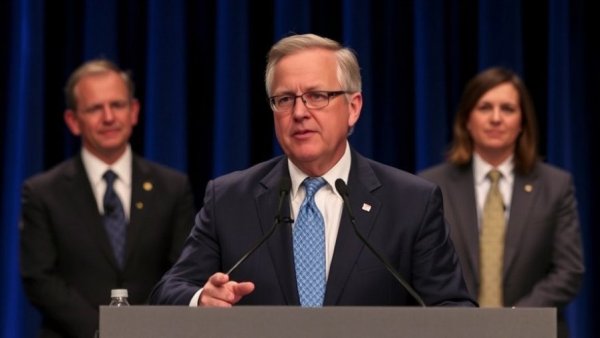
Palantir's Strategic Shift: Hiring Former Politicians
In an important development, Palantir Technologies has made headlines by bringing on a former Democratic senator. This move is being viewed as part of a broader strategy by tech companies to align more closely with political figures who can help navigate increased scrutiny from lawmakers and the public. As reported by Aya Ibrahim, a senior fellow at the AI Now Institute, it's no surprise that firms like Palantir are reaching out to Democrats to enhance their public image. This trend reflects the growing recognition that the juxtaposition of advanced technologies and political accountability is more critical than ever.
The Lack of Accountability in Tech
Ibrahim's insights reveal a concerning reality—tech companies possess vast financial resources, which they might leverage to mitigate accountability. Such maneuvers often aim to neutralize potential regulatory threats by garnering favorable opinions from influential policymakers. As companies turn to the political sphere, the implications for regulatory oversight and public interest are profound, causing many to question who ultimately holds these firms accountable.
Tech and Politics: A Dangerous Dance
The intersection of technology and politics has always been complex, but the current landscape is particularly precarious. With artificial intelligence (AI) rapidly evolving, industries ranging from real estate to healthcare are grappling with how to implement these technologies ethically and efficiently. This raises the question: as tech firms gain proximity to political figures, how can we ensure that advancements in AI serve the public good without compromising on accountability?
The Role of AI Across Industries
As we observe companies like Palantir make these strategic moves, it's important to reflect on the role of AI in various sectors. For instance, in the education sector, AI tools can personalize learning, potentially transforming classrooms. Similarly, in healthcare, innovations are poised to enhance patient care by analyzing data more effectively. However, as exciting as these developments are, the conversation about regulation and oversight needs to keep pace, ensuring that AI's growth does not overshadow ethical considerations.
Looking Ahead: Future Implications
The hiring trend seen with Palantir symbolizes a shift where financial power translates into political influence. As we head into an era that demands informed decisions about technology's future, both the public and policymakers must remain watchful. Will companies continue to prioritize transparency and ethical practices, or will the allure of profit overshadow the need for accountability?
Conclusion: A Call for Action
The potential impact of AI across various industries and its ethical implications cannot be understated. It requires a collaborative effort from tech companies, policymakers, and the public to foster an environment where accountability is paramount. This means advocating for regulations that ensure the responsible use of AI technologies while recognizing their benefits. Stay informed about these crucial discussions, and consider how you may navigate the challenges and opportunities that lie ahead in this swiftly evolving landscape.





Write A Comment