

cropper
update
AI Growth Journal
update
  • Home
  • Categories
    • AI & Growth Strategies
    • AI Autonomy & Freedom
    • AI Tools & Reviews
    • AI Across Industries
    • The AI Brief
    • AI Ethics & Society
    • AI Learning Hub
    • AI in Daily Life
November 26.2026
3 Minutes Read

The London AI Revolution: Who's Building the Next Generation of Intelligent Agents?

Graph line with business figure illustration representing AI agents in London

How London Became a Hub for AI Agents

In recent years, London's role as a central player in the artificial intelligence landscape has significantly expanded. Government research shows that AI adoption in UK businesses surged from just 16% to 32% in one year. The most remarkable increase is seen among large firms, where adoption climbs to 52%. Despite this rapid growth, the findings reveal a notable gap: while 69% of businesses utilize AI assistants, only 31% effectively integrate them into multi-agent workflows. This scenario suggests that many companies have started using AI but are still learning how to utilize it effectively.

Meet the Pioneers of Agentic AI

London is home to a diverse array of companies leading the charge in agentic AI—where AI systems interact, collaborate, and sometimes substitute human labor across various sectors. In proximity to each other, several innovative firms are reimagining the functionality of AI in their operations.

Among these, Google DeepMind stands out, situated in the new Platform 37 building, appropriately named to honor its groundbreaking AlphaGo game move. Meanwhile, Wayve has garnered attention for its self-driving advancements and ambitious plans for robotaxi trials. Other notable mentions include Synthesia, known for creating AI video agents aimed at enhancing workplace learning, and PolyAI, which has developed voice agents that support customer service across multiple industries.

The Revolutionary Impact of AI on Banking

Monzo, a disruptive player in digital banking, showcases the evolution of AI applications within financial services. Initially focusing on customer inquiries, Monzo's AI Ops Agent has transitioned to executing complex workflows, undergoing rigorous testing to ensure safety and reliability.

This approach serves as a blueprint for other businesses. The agent underwent evaluations based on 100 expert-approved conversational scenarios before wide-spread deployment. Crucially, the agent developed a feedback loop for continuous learning, effectively 'corralling' responses to avoid pitfalls such as hallucinations—an intrinsic risk in AI deployment.

Future Predictions: The Next Steps in AI Agent Development

The efforts of London-based companies indicate a burgeoning field that is already beginning to shape industries. As AI tools become increasingly sophisticated, the stakeholder landscape will expand, necessitating compliance with complex regulations. Additionally, technical insights gained via the laborious implementation at firms like Monzo provide valuable data points for future AI projects.

Industry experts predict that as these systems become more adept at multitasking and managing complex operations, we will witness a measurable shift in labor dynamics across industries—from customer service to healthcare. However, bridging the gap between limited AI usage and effective deployment remains a critical challenge.

Navigating the Challenges of AI Autonomy

Despite the promise of AI agents, the journey is fraught with hurdles. Regulatory compliance and ethical considerations are paramount, especially as AI systems take on more autonomy. Businesses must navigate these challenges carefully to mitigate risks associated with deployment, data handling, and user interaction.

The future of AI agents in the UK looks promising, but it will take careful orchestration of technology, policy, and industry collaboration to truly unlock its potential.

AI Across Industries

0 Views

0 Comments

Write A Comment

*
*
Please complete the captcha to submit your comment.
Related Posts All Posts

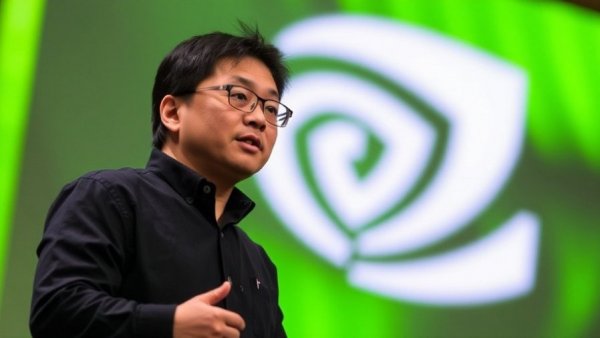
Nvidia's Future Under Jensen Huang: Navigating AI's Role in Geopolitics

Update Jensen Huang's Comeback: What It Means for Nvidia and the AI MarketNvidia stock prices soared over 30% following the reinstatement of Jensen Huang as CEO, a position he stepped down from amid controversies involving personal conduct and allegations linking him to espionage issues with China. Huang’s return signals a stabilizing presence for a company that has emerged as a cornerstone of the artificial intelligence (AI) boom, which has significantly impacted market valuations.This resurrection in leadership raises pressing questions not only about Nvidia's business trajectory but also about the future dynamics of the U.S.-China relationship, especially as tech companies navigate the tumultuous waters of geopolitics and national security. “The fact that our markets are so over-indexed on the AI trade, that something like three-fourths of gains in the S&P 500 this past year have been AI-related, is unsustainable,” notes Aya Ibrahim, a senior fellow at the AI Now Institute.The Geopolitical Impact of AIAs AI innovation continues to flourish, the implications for U.S.-China relations can't be overstated. Nvidia, under Huang’s leadership, has catalyzed advancements that enable industries from healthcare to real estate to harness AI for productivity gains. This importance shifts Nvidia into the realm of being not just a tech firm, but a vital player in national security discussions as well. Concurrently, U.S. policymakers underline concerns regarding the potential military applications of technologies developed by companies like Nvidia, which raises ethical questions about AI’s role in warfare or surveillance.Huang’s Leadership Amidst ControversyDespite personal controversies that led to his temporary departure, Huang’s return underscores a larger narrative: the perceived necessity of strong leadership in the tech sector when it concerns innovations that drive economic growth. In a rapidly evolving industry, leadership that fuses expertise, foresight, and strategic partnerships, particularly in global markets, is vital for maintaining competitive advantage.The Path Forward: Balancing Innovation and ResponsibilityAs the AI market continues to burgeon, companies like Nvidia must balance the drive for innovation with the responsibility of ensuring that their technologies do not contribute to security threats or exacerbate geopolitical tensions. The future may require redefining relationships with global partners and competitors, keeping security considerations at the forefront while striving for technological advances.The AI boom represents a fundamental shift not only for businesses but also for entire industries, opening avenues for AI tools applicable in education, real estate, and healthcare by 2025. As various sectors integrate these technologies, understanding how these AI applications influence economic and social landscapes will be crucial.

Can AI Predict the Unpredictable Black Swan Events for Business Leaders?

Update Understanding Black Swan Events: Nature of the Unforeseeable In the world of business and beyond, the term "Black Swan Event" has gained significant traction. Coined by statistician Nassim Nicholas Taleb, a Black Swan represents an event that is highly unexpected and has major consequences. These occurrences are typically rationalized by hindsight but remain impossible to predict due to their rare nature. They can reshape industries, shift financial markets, or alter political landscapes, highlighting the importance of preparedness amid uncertainty. The Role of AI: Can It Predict the Imperceptible? Artificial Intelligence (AI) boasts an impressive capacity for processing vast amounts of data and identifying patterns that may elude even the most seasoned experts. In sectors such as finance, healthcare, and even real estate, advanced algorithms are increasingly employed to forecast trends and outcomes. However, the question remains: can AI effectively predict unpredictable Black Swan Events? A growing number of entrepreneurs and business leaders are investing in AI tools designed specifically to enhance decision-making in volatile environments. These tools leverage machine learning to analyze historical data and current indicators, potentially enabling early warning signs of significant shifts before they occur. Yet, even sophisticated AI implementations face limitations, particularly due to the inherent chaos of unpredictable events. AI in Various Industries: Bridging Gaps or Widening Risks? From the AI for healthcare professionals that can diagnose rare conditions to AI in retail business for anticipating consumer behavior, the applications of AI are vast. In each sector, AI offers the promise of predictive analytics that might help business owners navigate uncertain waters. However, the reliance on AI tools raises ethical questions: can we trust an algorithm with decisions that could have life-altering impacts? Medical professionals using AI-powered diagnostic tools must grapple with the responsibility of how decisions are made based on AI assessments. Similarly, in real estate, AI's ability to predict housing market trends carries consequences for buyers and sellers alike. The reliance on AI can create a false sense of security, particularly in an arena dominated by unpredictable variables. Lessons from the Unknown: Preparing for the Unexpected While AI can be a powerful ally in preparing for uncertainty, the reality that Black Swan Events will occur remains. Business owners and professionals across industries must combine data insights with human intuition to create thorough contingency plans. This requires a mindset shift: instead of exclusively relying on AI for predictions, stakeholders should also cultivate adaptability and resilience. For example, businesses that integrate AI are urged to foster a culture of flexibility, encouraging employees to embrace technological advancements while remaining vigilant to external disruptions. An agile business is more likely to identify potential threats—before they escalate into catastrophic failures. The Future of AI and Human Collaboration As we continue to explore the capabilities of AI in predicting events, one aspect remains clear: technology should augment human judgment, not replace it. Businesses that successfully integrate AI into their strategies recognize it as a tool for enhancing their understanding, rather than a crystal ball for forthcoming disruptions. Entrepreneurs, CEOs, and professionals should focus on harmonizing technological solutions with human insight, putting emphasis on emotional intelligence, ethical considerations, and robust communication. The complexities surrounding Black Swan Events will persist; however, embracing innovation while honoring our instincts could bolster the ability to navigate the unpredictable landscape of tomorrow. In conclusion, while AI brings a plethora of opportunities for predictive analytics across various industries, understanding its limitations regarding unpredictable events like Black Swans is crucial. AI can guide decisions, but true preparedness requires a comprehensive approach that combines data-driven insights with human instincts and resilience. Explore AI tools that can empower your decision-making today!

How AI for Healthcare is Complicating Nurses' Lives—Insights Revealed

Update The Rise of AI in Healthcare: Is it Helping or Hurting Nurses? Nurses play a critical role in patient care, yet a recent report highlights how artificial intelligence (AI) is complicating their work rather than alleviating stress. According to a study from the AI Now Institute, nurses have reported significant issues with AI-driven scheduling systems, including being forced into consecutive shifts without adequate time off and dealing with understaffing in vital care units. These concerns spotlight a troubling reality in healthcare as hospitals increasingly integrate AI technologies without fully understanding or addressing their implications for staff. Nursing Shortages: Unpacking the Myths While hospitals and policymakers often reference a nursing shortage as a primary issue affecting patient care, the report by AI Now Institute challenges this narrative. With over 7 million licensed nurses in the United States, the emphasis should shift from training new nurses to addressing why current staff are leaving or feeling overwhelmed. This indicates deeper systemic issues rooted in cost-cutting measures rather than a lack of trained professionals. AI in Healthcare: A Misguided Solution? The integration of AI in healthcare settings is often pitched as a solution to strain and inefficiencies. However, this report raises critical questions about the effectiveness of these tools. For instance, AI systems are being adopted rapidly within hospitals, often with little transparency regarding their deployment and capabilities. Many nurses feel that these systems complicate their roles instead of simplifying them, showing that the technology may not be meeting its intended goals. As healthcare continues to modernize, evaluating the impact of AI from the perspective of those directly affected—nurses—is crucial. Future Predictions: Re-evaluating AI Implementation As healthcare facilities explore AI technologies, it’s essential to monitor and reconsider how these tools are implemented. For instance, rather than using AI for staff scheduling, hospitals might focus on developing better staffing policies that prioritize work-life balance and adequate patient care. Trends suggest that by 2025, the integration of AI in healthcare needs to focus on enhancing, rather than hindering, the roles of nurses to ensure they can effectively care for patients. The Path Forward: Nurses' Voices Matter Addressing these challenges requires listening to the frustrations and insights of nurses who are on the front lines of patient care. Engaging healthcare providers in discussions regarding AI technology can lead to smarter, more effective solutions. By valuing their feedback, hospitals can create a more supportive environment that leverages technology appropriately without sacrificing human resources or patient safety. As the debate around AI in healthcare continues to evolve, understanding the challenges faced by nurses and acknowledging their perspectives is vital. This not only enhances operational effectiveness but ultimately leads to better patient outcomes in an environment increasingly defined by technological reliance.

cropper
update
WorldPulse News
cropper
update

Write a small description of your business and the core features and benefits of your products.

  • update
  • update
  • update
  • update
  • update
  • update
  • update

COMPANY

  • Privacy Policy
  • Terms of Use
  • Advertise
  • Contact Us
  • Menu 5
  • Menu 6

+13218727566

AVAILABLE FROM 8AM - 5PM

City, State

501 N. Orlando Ave. Ste 313, PMB 183 , Winter Parkk, FL

ABOUT US

Write a small description of your business and the core features and benefits of your products.

© 2026 CompanyName All Rights Reserved. Address . Contact Us . Terms of Service . Privacy Policy

Terms of Service

Privacy Policy

Core Modal Title

Sorry, no results found

You Might Find These Articles Interesting

T
Please Check Your Email
We Will Be Following Up Shortly
*
*
*