
cropper
update
AI Growth Journal
update
  • Home
  • Categories
    • AI & Growth Strategies
    • AI Autonomy & Freedom
    • AI Tools & Reviews
    • AI Across Industries
    • The AI Brief
    • AI Ethics & Society
    • AI Learning Hub
    • AI in Daily Life
August 24.2025
3 Minutes Read

Unlocking AI Creativity: What Entrepreneurs Must Know in 2025

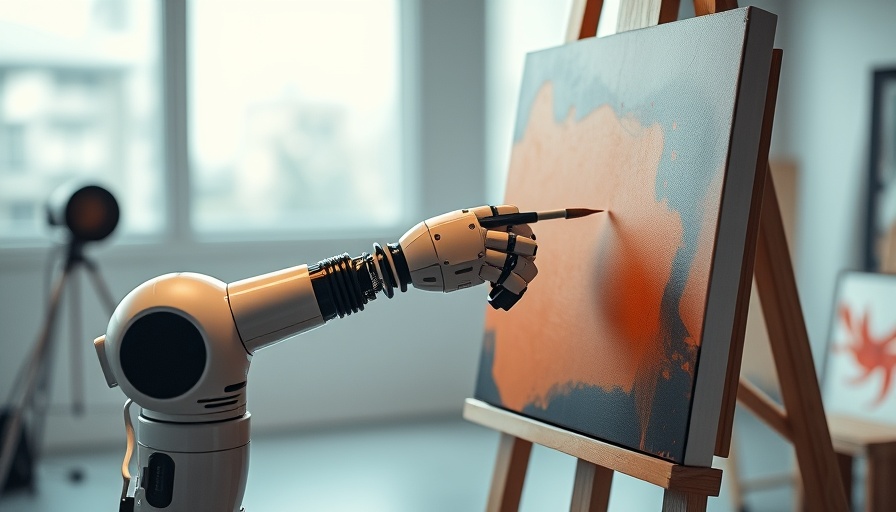
AI automation for entrepreneurs: robot painting art in studio scene.

Understanding the Intersection of AI and Creativity

Artificial intelligence technology, once focused primarily on hard tasks like data analysis and decision-making, has recently showcased an unexpected flair for creativity. Entrepreneurs and small business owners may wonder where this creativity comes from, particularly within tools that employ diffusion models like DALL·E and Stable Diffusion. Researchers, including physicists Giulio Biroli and a team from Stanford, believe that this creativity stems not from skillful imitation but from the imperfections inherent in the algorithms’ denoising processes.

What Exactly Are Diffusion Models?

Diffusion models function in a unique way: they initially convert images into a form of digital noise before attempting to reconstruct them. This method reflects a common practice in AI development, where models are trained to produce similar outputs to their input data. However, the real magic happens during the reconstruction phase. While it seems like the models should merely replicate what they’ve learned, they actually blend different elements creatively. This divergence from standard behavior opens pathways for new outputs, surprising many who study artificial intelligence.

The Role of Imperfection in Creativity

The pivotal argument presented by researchers is that the flaws present in the denoising process are essential for generating innovative visual content. The imperfections serve as a catalyst, allowing AI to break creative barriers and explore novel combinations that a human artist or traditional algorithm might not consider. Understanding this nuance is crucial for entrepreneurs looking to harness AI tools creatively within their business strategies.

Implications for Small Business Owners

For entrepreneurs, this research may hold transformative potential. With AI applications making strides in various creative fields, knowing how these tools function can provide a competitive edge. Small business owners can utilize AI not just for automation, but as a springboard for creative marketing strategies or product innovations. Knowing how to effectively integrate AI into daily operations can set a business apart in a crowded marketplace.

How to Leverage AI Creativity in Business

Given AI's potential for creativity, business leaders should consider crafting ideas that meld human insight with algorithmic innovation. Here are some actionable steps:

  • Explore AI Tools: Research the best AI apps for business owners that can enhance creativity, such as branding platforms using generative design.
  • Automate Marketing: Utilize AI automation for entrepreneurs to drive forward marketing campaigns, generating content that resonates with audiences while ensuring a personal touch.
  • Invent Unique Products: Consider AI business ideas for 2025 that rely on using generative models to create distinctive offerings that stand out.

Future Trends in AI and Business

The continuous evolution of AI technology is poised to reshape how small business owners approach creativity. As these tools become more advanced, they will also become easier to use. The blend of user-friendly interfaces with profound algorithmic strategies opens up a landscape where even those without technical expertise can harness AI’s power creatively.

Final Thoughts

The creativity of AI systems may seem paradoxical, but recent research illuminates this as a direct outcome of their design imperfections. For small business owners and entrepreneurs, however, the key takeaway is not merely how AI works, but how to exploit its capabilities creatively. Embracing AI could lead to groundbreaking strategies and products, enriching business practices in unprecedented ways.

To thrive in this evolving landscape, it’s essential to stay informed about the technology and learn how to effectively implement AI tools in your business. By exploring innovative AI applications and considering their capabilities, you can elevate your entrepreneurial journey.

AI & Growth Strategies

6 Views

0 Comments

Write A Comment

*
*
Please complete the captcha to submit your comment.
Related Posts All Posts

How AI Automation is Shaping the Future of Bug Hunting for Entrepreneurs

Update Understanding the Growing Bug Hunting Arms RaceAs the digital landscape continues to evolve, so does the need for robust cybersecurity measures. Lately, we’ve seen a significant shift with the advent of artificial intelligence (AI). Programs designed to reward researchers for discovering software vulnerabilities, commonly known as bug bounty programs, are now at the forefront of this transformation. Initially, these programs were a way for companies to replace their defensive stance with a more collaborative approach. By inviting researchers to report their findings, organizations have moved towards a model that embraces transparency and quick fixes.The Evolution of Bug Bounty ProgramsTen years ago, bug bounty programs were nascent, burgeoning into mainstream awareness. For example, Apple’s implementation of a bug bounty in 2016 offered rewards of up to $200,000, a figure that subsequently skyrocketed to $2 million by 2025. Companies are recognizing the value of investing in these initiatives as they vary in creativity and complexity. Various industries are now rethinking their strategies due to the AI revolution, as computing power and intelligence have enabled faster exploit development.The AI Factor in CybersecurityOne of the most concerning elements of this new era is the dual-edge sword that AI represents. Not only are security researchers leveraging AI to identify vulnerabilities more effectively, but malicious actors are doing the same, potentially at an alarming speed. As independent security researcher Joseph Thacker points out, the volume of reported vulnerabilities has surged, and tech giants may soon allocate significantly more funds towards bug payouts than before. For smaller businesses, navigating this high-pressure environment can prove challenging. The speed at which AI can discover vulnerabilities drastically alters the timeline that has traditionally allowed developers to address these issues.Impact on Vulnerability Disclosure TimelinesThe traditional 90-day window for responsible vulnerability disclosure processes is becoming increasingly obsolete. With innovations in AI, researchers find they can identify and disclose vulnerabilities at a faster rate. As Himanshu Anand points out, the urgency of addressing vulnerabilities is on the rise as attackers sharpen their skills with AI tools. Under pressure from more frequent attacks, companies may find themselves compelled to push out fixes quicker than ever before. However, this could lead to untested patches that risk significant outages or further vulnerabilities.Practical Guidelines for Entrepreneurs and Small Business OwnersAs a small business owner, understanding these trends can empower you to safeguard your own digital assets. Here are some practical steps:Invest in Robust Security Solutions: Consider adopting AI tools designed to enhance your cybersecurity protocols, allowing for swift identification of potential weaknesses.Foster a Culture of Transparency: By implementing a bug bounty program, you not only encourage ethical hacking but also establish a relationship of trust with researchers who can help identify weaknesses before they can be exploited.Stay Informed: Keep abreast of the latest vulnerabilities within your industry and learn how to repair them quickly. Subscribe to cybersecurity newsletters and participate in community forums.Navigating the Future of Business Security with AIThe interrelation of AI and cybersecurity will only intensify. With the bug hunting dynamic shifting significantly, business owners, particularly those operating small ventures, must equip themselves with knowledge about how AI can best serve their needs in securing their digital infrastructures. While the situation appears daunting, it also presents unique opportunities for creative business solutions and innovations.Final ThoughtsThe scenario where attackers have equal or better tools than defenders is complex, but it’s one that necessitates proactive measures from companies of all sizes. Numerous AI tools can streamline operations and enhance security protocols, ensuring businesses can dodge many common vulnerabilities. As we navigate this evolving terrain, embracing AI's multifaceted capabilities could yield benefits well beyond mere security, leading to innovative ways to enhance service delivery and customer satisfaction in the future.To take action for the future of your business, explore the best AI applications available today that could evolve your security posture. With the right tools and mindset, your enterprise can thrive in the AI age.

Build Instead of Tear Down: Harnessing AI for Business Growth

Update AI Solutions: Building Instead of Tearing DownIn today's fast-paced business environment, small business owners face an uphill battle against ever-increasing competition and shifting market dynamics. A recent video titled "Enough …. ? …. Enough of the 'tearing down other people’s buildings'" presents a key message: instead of critiquing or sabotaging competitors, it’s imperative to focus on building one’s own foundation through innovation.In 'Enough …. ? …. Enough of the 'tearing down other people’s buildings,' we find valuable insights on how small business owners can move forward. Why It’s Time to Embrace CollaborationThe idea of ‘tearing down’ implies a destructive approach to competition. However, among small businesses, collaboration can lead to mutual growth rather than rivalry. Embracing AI for entrepreneurs provides tools designed to enhance your own business potential. AI can help you understand market trends, improve customer experiences, and drive innovative marketing strategies.The Power of AI in Digital MarketingOne of the most impactful methods small businesses can adopt is harnessing AI in digital marketing. AI-powered marketing tools help streamline advertising efforts, target potential customers efficiently, and analyze data to understand what resonates with your audience. This technology empowers businesses to optimize their growth without undermining others, focusing on their unique offerings instead.Seize Opportunities, Don’t Dismiss ThemRather than seeing competitors as obstacles, utilize tech trends for small business owners to find opportunities for collaboration. AI not only saves time but also provides actionable insights that can steer your business toward success. Small business owners can thrive by leveraging these digital strategies, paving the way for a sustainable business future.In conclusion, the key takeaway from the video is to move beyond negativity and recognize the opportunity in supportive competition through collaboration and innovation. As small business owners, embracing technology and AI is essential not just for survival but for growth. By shifting our focus from tearing down to building up, we collectively raise the bar for what’s possible in our industry.

Transforming Nonprofits: How AI Automation is Revolutionizing Meal Prep

Update AI Robots Revolutionizing Meal Prep in San Francisco In an innovative move, Project Open Hand, a nonprofit based in San Francisco's Tenderloin district, has turned to robotic technology to tackle the challenges of meal preparation amidst a shortage of human volunteers. This partnership with Chef Robotics not only bridges labor gaps but also highlights how AI automation can enhance humanitarian efforts. Addressing Volunteer Shortages with Robotics Founded in 1985 by Ruth Brinker, Project Open Hand provides medically tailored meals to individuals dealing with chronic illnesses. This nonprofit has its origins in the AIDS crisis, expanding its mission over the years to address diverse nutritional needs for conditions such as diabetes and heart disease. However, the organization has faced difficulty attracting volunteers in recent years, especially following the COVID-19 pandemic, which significantly impacted corporate volunteer campaigns. To ensure they could meet demand, Project Open Hand turned to Chef Robotics, a company specializing in meal logistics through physical AI. With two robotic arms, they can produce an additional 200 meals per hour on top of the 500 assembled by human volunteers, optimizing the process and enabling the organization to serve more individuals in need. How AI is Transforming the Nonprofit Sector The integration of AI into nonprofit operations exemplifies how technology can enhance productivity in settings that typically rely on volunteer labor. Paul Hepfer, CEO of Project Open Hand, emphasized the necessity of shedding an outdated scarcity mindset. Instead of merely recruiting labor, the nonprofit is investing in innovation to improve their meal prep processes—hoping this will attract tech engagement and encourage volunteerism from San Francisco's booming AI community. The Impact of AI on Meal Preparation The robotic arms from Chef Robotics handle various ingredients, featuring the flexibility to adapt to approximately 70 different items. While the robots focus solely on plating, their ability to efficiently manage portions ensures that volunteers can dedicate their time to other aspects of meal preparation. Such differentiation underscores the role of AI as a supportive tool rather than a replacement for human workers. The collaboration boosts operational efficiency, enabling the team to tackle more complex culinary tasks. Cultural Context and Future Perspectives Given the Tenderloin's reputation as one of San Francisco’s most challenging neighborhoods, this collaboration also carries greater significance. The changes within Project Open Hand align with the city's recent AI boom. While this advancement signals progress for the nonprofit, there remains work to rebuild connections with corporate partners who once volunteered prior to the pandemic. Hepfer hopes this initiative not only resolves immediate labor shortages but also signals to tech companies that nonprofits like Project Open Hand are serious about innovation and collaboration. Business Implications for Entrepreneurs For entrepreneurs and small business owners, the project serves as a case study on integrating AI tools into various processes. Those looking into AI automation options can observe how companies like Chef Robotics are redefining food preparation to tackle labor shortages effectively. Embracing AI not only aids in operational efficiency but can also enhance the effectiveness of community-driven businesses and initiatives, confirming that innovation can drive social change. Conclusion: A Call to Innovation in Nonprofits The integration of AI in nonprofits like Project Open Hand showcases not only the power of technology but also the potential for growth and improvement in how we serve communities. As the nonprofit landscape evolves post-pandemic, it’s essential for both new and established organizations to consider how they might leverage AI tools for greater impact. Exploring AI business ideas for 2025 may lead to innovative ways to improve not just productivity but also the quality of service provided to communities in need. Engage with these insights and explore how AI could fit into your organization by researching the best AI apps and tools for business owners today!

Terms of Service

Privacy Policy

Core Modal Title

Sorry, no results found

You Might Find These Articles Interesting

T
Please Check Your Email
We Will Be Following Up Shortly
*
*
*