



The Reality Behind the £400 Billion AI Boost for the UK Economy
For two years, the UK government has touted an impressive figure: AI could add £400 billion to the nation’s economy. This dramatic estimate was intended to reassure the public, emphasizing the benefits of AI amidst fears of job losses and economic turmoil. However, recent admissions from UK AI Minister Kanishka Narayan reveal that this ambitious dollar figure was largely based on a report commissioned by Google, rather than independent government analysis.
Understanding the Underlying Figures
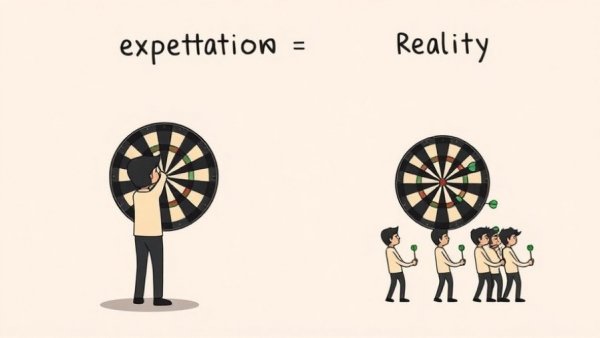
During a parliamentary session, Narayan clarified that the government’s estimates of AI’s economic potential is much more conservative than the £400 billion projection, likely between £55 billion and £140 billion by 2030, with a central estimate of £120 billion. This new estimate starkly contrasts with the prior sweeping claims and highlights the complexities behind forecasting AI’s impact on the economy.
Where Did the £400 Billion Figure Come From?
The £400 billion figure originated from a 2023 report by Public First, a consultancy firm, commissioned by Google. It painted a very optimistic picture of AI's transformative potential. However, Jonathan Dupont, head of economics at PF Global, pointed out that its assumptions were based on a “slower rate of adoption” than the industry is currently seeing. This discrepancy reflects the rapid evolution of AI technologies and their implementations, which challenge previous models.
The Risks of Overhyping AI’s Benefits
According to Dame Chi Onwurah, chair of the Commons Science, Innovation and Technology Committee, while it's vital to promote technology, overstating the benefits can be counterproductive. Hype can stymie meaningful digital transformation within public services. “The government needs to be realistic about what technology like AI can deliver,” she cautioned. This sentiment echoes across various sectors where AI integration is expected to yield significant benefits. Ensuring transparency in AI projections is crucial for engaging stakeholders and driving realistic change.
What This Means for Entrepreneurs and Small Business Owners
For business owners, these developments pose critical reflections on AI’s role in their strategies. While the overall potential of AI remains significant, entrepreneurs should heed the government’s revised estimates when planning investments in AI technology. The focus on realistic projections over inflated expectations can lead to more effective budget allocations and resource planning. Understanding just how AI can be utilized, from automation to leveraging the best AI apps for business owners, can allow for better decision-making.
AI Adoption: The Path Forward
The UK’s slower adoption of AI compared to forecasts suggests a need for businesses to adapt more quickly. As Naryan pointed out, integration into workflows within the civil service and other sectors can enhance the pace of AI uptake. Entrepreneurs looking to innovate should focus on practical AI business ideas for 2025 that align with this gradual shift. For instance, utilizing AI tools for small business management can streamline operations, optimize resource allocation, and ultimately improve profitability.
Future Predictions: What Lies Ahead for AI
The debate surrounding the economics of AI does highlight one undeniable fact: the technology is here to stay. Business owners need to begin viewing AI not just as a tool but as a method to transform business models entirely. The predictions for increased growth in AI adoption within the next few years serve as a call to action. Companies that proactively explore AI automation for entrepreneurs can place themselves at the forefront of the innovative wave.
In conclusion, the dialogue over the UK's estimated economic advantage of AI underscores the necessity for transparency and realistic expectations in business planning. As details continue to emerge, stakeholders must navigate these insights carefully. To effectively harness AI’s capabilities, entrepreneurs should remain informed and adaptable, leveraging relevant tools and resources immediately.
As we look to the future, individual businesses have the chance to step up and embrace AI. By exploring how to use AI in small business and staying curious about AI tools, entrepreneurs can gain a competitive edge in the market. Seize the moment to integrate AI into your business strategy!




Write A Comment