
cropper
update
AI Growth Journal
update
  • Home
  • Categories
    • AI & Growth Strategies
    • AI Autonomy & Freedom
    • AI Tools & Reviews
    • AI Across Industries
    • The AI Brief
    • AI Ethics & Society
    • AI Learning Hub
    • AI in Daily Life
October 09.2025
3 Minutes Read

Why SoftBank's $5.4B Acquisition of ABB’s Robotics Matters for Entrepreneurs

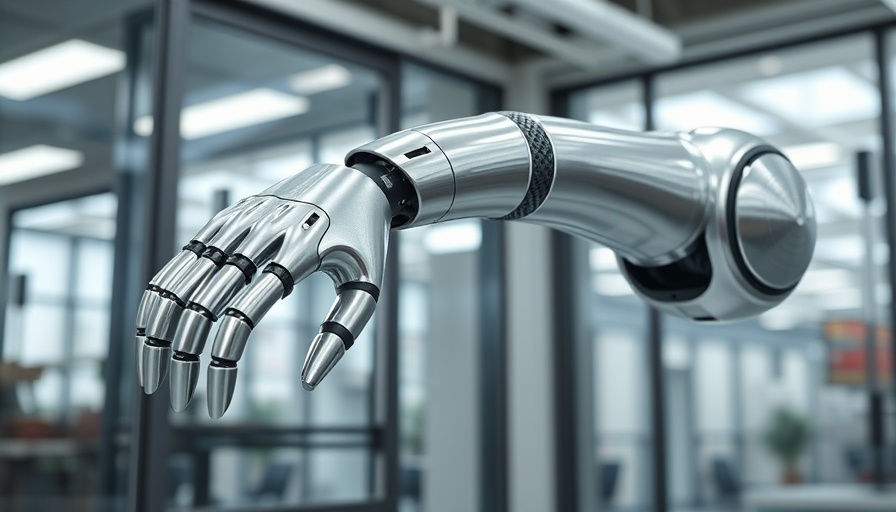
SoftBank acquires ABB robotics illustrating advanced robotic arm

SoftBank's Bold Move into Robotics

In a significant announcement that marks a dramatic pivot in the global robotics landscape, SoftBank has finalized a deal to acquire ABB’s robotics division for $5.375 billion. This strategic acquisition is part of SoftBank's founder Masayoshi Son's vision to intertwine advanced artificial intelligence with industrial robotics. It represents one of the most consequential robotics investments SoftBank has made to date and indicates a clear direction towards 'physical AI.'

Revisiting ABB's Transformational Journey

Before this acquisition, ABB had plans to spin off its robotics division as a separately listed company in 2026. This strategy was ultimately abandoned in favor of this sale, reflecting a swift change in ABB's operational outlook and market conditions. The robotics division, known for its innovative robotic arms used extensively in industries from automotive to electronics, has witnessed vibrant growth, generating approximately $2.28 billion in revenue in 2024 alone.

Industry Implications: What This Means for the Future

The acquisition aligns with a broader industry trend focused on integrating generative AI into industrial automation. Recent reports highlight that companies like Intel are also teaming with SoftBank, further indicating a collective push towards a more automated and AI-driven future. With the robotics unit being restructured into a new holding company, the potential for innovation could lead to breakthroughs in automation technology that could redefine operational efficiency across sectors.

Insights from Key Stakeholders

The swift market reactions following the announcement have reflected a robust endorsement from key stakeholders. Investor AB, ABB’s largest stakeholder, supported the sale, calling it a “good home” for ABB Robotics. Their approval points to a collective faith in SoftBank's vision and raises questions about the future of the robotics industry as AI continues to evolve.

What Entrepreneurs Need to Know

For busy entrepreneurs and professionals, understanding these developments is crucial. The fusion of AI and robotics presents unique opportunities not just for large enterprises but also for small businesses. As AI tools continue to become more accessible, incorporating them into everyday operations can allow smaller companies to increase efficiency, reduce costs, and enhance productivity.

How to Leverage AI in Your Business

To stay informed and make the most of these trends, entrepreneurs should engage with current AI tools. Learning how to utilize AI effectively can significantly differentiate a business in a crowded market. Some tips include:

  • Invest in AI-driven analytics to understand consumer behavior better.
  • Adopt automation solutions for routine tasks, allowing more time for strategic planning.
  • Explore collaboration tools that incorporate AI to enhance communication and productivity among teams.

Looking Ahead: Future Trends in AI and Robotics

As we look to the future, the merger of AI and robotics is set to reshape how industries operate. The potential applications are vast, ranging from manufacturing to logistics, and even into personal service technologies. Keeping abreast of these trends will be essential for anyone wanting to remain competitive in their field.

Your Next Steps

Stay tuned for more updates on the latest AI news in 2025 and how these developments can affect your business. Understanding global trends and their local impacts can equip you with the foresight needed to thrive in an evolving technological landscape. By embracing these advancements, you can position yourself and your business for better growth and opportunity.

The AI Brief

12 Views

0 Comments

Write A Comment

*
*
Please complete the captcha to submit your comment.
Related Posts All Posts

Southwest Airlines Bans Humanoid Robots: The Future of AI in Travel

Update Southwest's Bold Move: A Response to Rising Robot Popularity In a world where automation and robotics are rapidly becoming part of daily life, Southwest Airlines has taken a strong stance against the presence of humanoid and animal-like robots on its flights. The airline has officially banned such robots, a decision prompted by a recent incident involving a humanoid named Stewie, which sparked debate on the implications of robots in public spaces. The Viral Incident That Spurred the Ban The situation arose when Aaron Mehdizadeh, founder of The Robot Studio in North Dallas, purchased a ticket for Stewie, a 3.5-foot humanoid robot, on Southwest for a flight from Las Vegas to Dallas. To comply with security regulations, Mehdizadeh modified Stewie's battery to a smaller unit, allowing it to walk through the terminal and board the plane autonomously. While the novelty of the incident excited most passengers, it raised eyebrows among flight crew members who had to navigate the logistics of accommodating this unusual ‘passenger’. Subsequent flights showcased a similar pattern; another robot named Bebop led to delays when crew members flagged concerns about its size and power source. As a result, Southwest's new policy clearly defines a “human-like robot” as any robot designed to imitate human behavior, while an “animal-like robot” mimics animal form. By reinforcing these definitions, the airline aims to mitigate further logistical headaches during the boarding process. Safety Concerns: Lithium-Ion Batteries in Focus One of the airline's core reasons for banning humanoid and animal-like robots is the safety risks associated with lithium-ion batteries. Southwest emphasizes the potential fire hazards these batteries pose when in flight. Although some, including Mehdizadeh, argue that the batteries used in their robots are standard and pose no greater threat than those found in typical electronics, the airline remains adamant about prioritizing passenger safety above all. The move reflects broader concerns in aviation about the integration of technology and electronics. As AI tools become more commonplace in daily life—especially for busy entrepreneurs and small businesses—understanding the implications of these innovations and their integration into public domains, such as air travel, becomes increasingly critical. The Future of Robotics in Public Spaces This shift raises questions about where we draw the line when integrating advanced robotics into familiar settings. While Southwest's ban may seem like an overreaction to a trend that could enrich travel experiences—services like robot concierge staff in hotels or AI-driven baggage handling—the reality of implementing robotics is fraught with challenges that organizations must navigate. Other airlines may begin to reassess policies regarding robotic passengers in light of this decision. As well as the questions surrounding safety protocols, a public discussion could soon arise about the ethical implications of restricting robots entirely, given their growing capabilities and presence in modern society. AI's Broader Implications for Entrepreneurs The rise of robotics and AI sparks an interesting discussion for entrepreneurs looking to adapt to ongoing technological changes. According to emerging trends in AI, such as those highlighted by experts at industry conferences, small businesses can leverage AI tools to enhance productivity and creativity. Integrating the right tools can streamline operations, drive innovation, and provide competitive advantages. For instance, many startups are beginning to explore the use of AI in automating customer service and personalizing user experiences. However, as technology advances rapidly, those in power must ensure that measures are in place to recognize and mitigate risks associated with increased automation. A Call for Responsible Engagement with Technology As industries face the implications of such pioneering advances, it’s vital for entrepreneurs and business leaders alike to engage thoughtfully with emerging technologies. While integrating AI tools offers numerous benefits, a balanced approach—taking into account both the potential risks and innovations—is pivotal moving forward. The recent ban by Southwest Airlines sheds light not only on the responsibilities of airlines in a tech-driven world but also on broader conversations regarding the future of work, social norms, and how robotic tools fit into our evolving society. Understanding these dynamics is crucial for busy professionals aiming to harness AI's potential while remaining mindful of its impact on the collective experience. As technology continues to evolve, staying informed about AI trends and the latest updates for entrepreneurs is essential. Engaging responsibly with these developments, learning how to use AI tools effectively, and being prepared for shifts in societal norms will help pave the way for a more innovative future.

How the Latest Verizon Cyberscurity Report Reveals Vulnerability Exploitation Trends

Update The Vulnerability Gap: A New Frontier in CybersecurityIn a rapidly evolving digital landscape, the latest Verizon Data Breach Investigations Report (DBIR) for 2026 reveals alarming insights regarding how attackers are exploiting security gaps. Surprisingly, the primary pathway for breaches is now through software vulnerabilities, which surpassed traditional methods like stolen passwords. This shift signifies the importance for busy entrepreneurs, professionals, and creators to reassess their cybersecurity measures and stay ahead of evolving threats.Understanding the Threat LandscapeThe 2026 DBIR indicates that 31% of breaches initiate via vulnerability exploitation, a significant increase from the previous year. As attackers optimize their strategies, reliance on outdated security practices is a recipe for disaster. Entrepreneurs must recognize that their innovative tools may also introduce new vulnerabilities, emphasizing a need for regular updates and monitoring.AI in Cybersecurity: Amplifying Solutions or Challenges?The report highlights a surge in AI usage by attackers, which raises the stakes for cybersecurity. AI amplifies the capabilities of conventional attacks, making it easier for malicious actors to identify and exploit weaknesses. While this poses significant challenges, it also presents opportunities for businesses. Understanding how to leverage AI tools can help businesses not only defend against attacks but can enhance security protocols by implementing predictive measures.Protecting Your Business: Where to BeginKey strategies highlighted in the DBIR for mitigating risks include effective employee training, timely software updates, and the deployment of multifactor authentication (MFA). This critical insight aligns with the growing trend of cyber threats increasingly targeting mobile devices. Businesses must implement comprehensive security measures that evolve continuously with the technology landscape. Additionally, considering how generative AI can automate cybersecurity processes may help firms better manage potential vulnerabilities.Taking Action Against Cyber ThreatsFor entrepreneurs and professionals, understanding the data from the DBIR and integrating it into actionable strategies is crucial. Utilize the report's findings to craft robust incident response plans, invest in advanced security technologies, and foster a culture of transparency and education within your teams. The calls for vigilance are higher now more than ever—be proactive in your cybersecurity posture.The Future of CybersecurityThe DBIR’s findings serve as not only a warning but a blueprint. As technology continues to advance, the intersection of AI and cybersecurity presents both risks and solutions. Staying informed about the latest AI trends and updates will empower small businesses to create effective strategies that align with both current threats and future innovations. Embrace the insights from the 2026 DBIR so you can thrive in a secure digital environment.In today’s interconnected world, knowledge is not just power—it's protection. Leverage the lessons learned from these reports and turn insights into actionable strategies. Now is the time to safeguard your journey in the digital marketplace.

Meta's Bold AI Investment: What This Means for Entrepreneurs and Professionals

Update Meta's Strategic Shift: A Bold Move in the AI Arena In a significant shift in strategy, Meta has announced plans to eliminate 8,000 jobs this week. This decision, primarily aimed at reallocating $145 billion towards artificial intelligence (AI) advancements, has sent ripples through the tech industry. While job cuts can often signal turmoil within a company, Meta’s approach highlights a larger trend in the tech world—an increased focus on AI capabilities. Why the AI Push Matters for Entrepreneurs and Professionals As busy entrepreneurs and professionals navigating an ever-evolving technological landscape, understanding Meta’s pivot can offer valuable insights. With the tech landscape being reshaped by advancements in AI, it’s imperative to stay informed about the latest developments. The integration of AI into businesses isn’t just a trend; it’s becoming essential for maintaining competitive edge. Understanding AI Tools: Empowering Your Business The ongoing shift towards AI signifies more than just job cuts; it emphasizes the critical role AI tools play in augmenting business operations. Entrepreneurs should consider how they can leverage AI for their own ventures. Whether it’s automating customer service responses or analyzing data to uncover trends and customer preferences, these tools can offer scalable, efficient solutions. What AI Trends Should You Watch? As Meta leads the charge in AI investments, several trends stand out for entrepreneurs looking to capitalize on these advancements. From generative AI models helping in content creation to advanced analytics improving decision-making processes, the potential for AI to drive business growth is vast. Keeping an eye on these trends will allow entrepreneurs to proactively adapt and thrive in a changing environment. Future Predictions: Meta's Role in a New Era of AI Looking ahead, Meta's aggressive push towards AI could redefine its role in the tech ecosystem. As it reallocates resources, the company is attempting to set industry standards that could influence how businesses approach AI adoption. The implications of Meta’s investments will likely extend beyond its own platforms, serving as a guide for small businesses aiming to integrate AI effectively. Making Informed Decisions with AI Insights So, what does this mean for you as an entrepreneur? Understanding the implications of Meta's strategic decisions can equip you to make informed choices about your own business strategies. Are you considering implementing AI tools? Now is the time to explore AI applications that can enhance productivity and innovation. In this rapidly changing landscape, staying informed about the latest AI news for 2025 will be vital. Focusing on how to use AI tools can lead to smarter business decisions and future-proof growth. Don’t miss the opportunity to educate yourself on AI updates tailored to entrepreneurs and small business owners. As we witness these transformations, having the right strategies could mean the difference between just surviving and truly thriving in a hyper-connected digital economy.

Terms of Service

Privacy Policy

Core Modal Title

Sorry, no results found

You Might Find These Articles Interesting

T
Please Check Your Email
We Will Be Following Up Shortly
*
*
*