


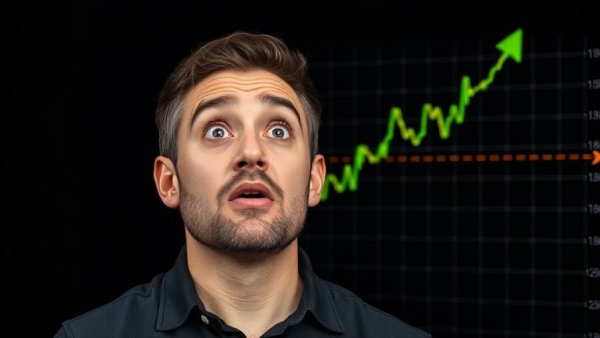
The Intersection of AI and Stock Market Predictions
As artificial intelligence gains traction in diverse fields, one intriguing application emerges: using AI to predict stock market movements. This concept was recently explored in a compelling video that discussed how a simulation was conducted to analyze Nvidia's stock performance during a tumultuous period in November. The experiment involved back-testing various news stories that could have influenced the stock, demonstrating the potential of AI in financial forecasting.
In 'AI Is Just Getting Scary Now...', the discussion dives into stock market predictions using AI, exploring key insights that sparked deeper analysis on our end.
Understanding the Experiment
The experimental setup focused on Nvidia's stock, which faced dramatic fluctuations around a particular set of circumstances. By freezing the data at a specific point, the AI was tasked with crafting narratives based on pre-November 2nd news articles paired with hypothetical scenarios to predict stock price movements over the ensuing two weeks. The approach highlighted how AI can interpret historical information, creating a storyline that reflects potential outcomes based on that history.
Why This Matters
For business owners and those in the tech field, understanding AI's potential in market predictions can be a game-changer. It illustrates a departure from traditional financial models driven by human speculation and highlights a future where AI could enhance decision-making processes. Utilizing AI for back-testing scenarios not only offers a new layer of insight but also aids in strategizing responses to market fluctuations.
Real-World Implications: What If AI Could Predict Your Next Move?
The results of this experiment unveiled significant insights. With the AI successfully simulating possible daily market movements, it colored a narrative that closely mirrored reality. For instance, when the stock price fell or rose due to specific events, the AI was able to reflect those changes effectively in its predictions. This precision raises ethical questions and a discussion about AI's role in the financial industry. If technology can gauge market sentiment and reactions with increasing accuracy, how much are we placing our trust in algorithms over human traders?
Risks and Challenges Ahead
While the potential benefits of using AI for stock predictions are substantial, there are inherent risks attached. The reliance on AI models designed to interpret sentiment and craft possible narratives could create a dangerous echo chamber, amplifying biases present in the training data. Moreover, if businesses lean heavily on AI for decision-making, the human element—critical for understanding contextual shifts and moral implications—may become sidelined.
The Future of AI in Stock Trading
The conversation surrounding AI's integration into stock trading continues to evolve. As AI tools become more sophisticated and capable of accurate predictions, we might see them influencing not just trading strategies but also overall market behavior. This presents an exciting yet daunting opportunity for businesses to harness AI as a competitive advantage, potentially reshaping how investments are approached.
Conclusion: Embracing the AI Era
The exploration of AI's role in stock market predictions, as illustrated through the Nvidia case study, showcases not only technological advancements but also the societal adaptations that must accompany them. As business leaders, now is the time to consider how integrating such technologies can foster innovation and create value within organizations. Balancing the benefits of automation with ethical considerations will be key to leveraging AI responsibly in the future.




Write A Comment